
Why the United States Tea Market Is Growing With Wellness and Flavor Trends
The United States tea market is expanding as consumers seek healthier beverages, functional ingredients, and more premium tea experiences.

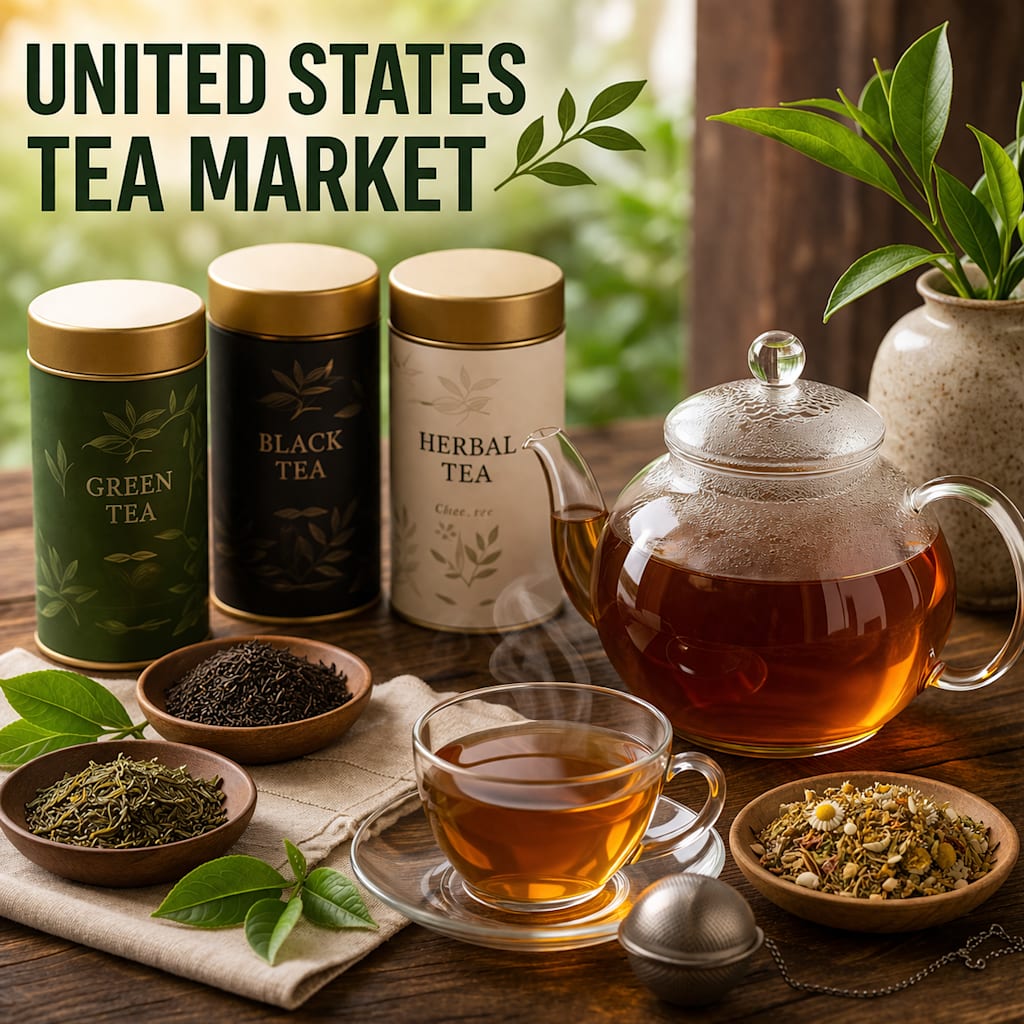
Today tea is just another product in the American kitchen cupboard‚ or a hot beverage that people consume occasionally as they search for health benefits‚ functional elements‚ and experiences from their food․ As people have become more aware of their sugar intake and are looking for substitutes that represent refreshment and a lifestyle choice other than sweetened soft drinks‚ tea is becoming a more relevant category․ According to IMARC Group‚ the US tea market was valued at USD 1․54 billion in 2025 and is expected to reach USD 2․13 billion by 2034‚ exhibiting a CAGR of 3․70% from 2026 to 2034․
According to IMARC‚ increasing knowledge and demand for health and wellness products among the consumers across the globe is expected to drive the growth of the tea market․ Consumers are now more inclined towards consuming natural functional beverages and tea could be a healthy substitute for sugary‚ carbonated drinks․ The antioxidant health proposition of tea could explain the category's appeal beyond existing tea drinkers․
Functional and wellness teas are another trend․ According to market research firm IMARC US consumers are increasingly seeking teas with ingredients that support immunity‚ digestion and stress‚ such as adaptogens‚ botanicals and herbal blends uniquely blended to support certain health goals or conditions․ What makes this interesting is that tea is not only competing on taste․ It is often being bought for its perceived lifestyle value‚ as part of a wellness ritual rather than a drinks choice․
Continuing premiumization is the main factor driving the market‚ as consumers are increasingly drawn to specialty teas‚ organic teas‚ and teas with origin-based attributes that offer a distinctive tea drinking experience‚ IMARC said․ The report also notes that urban bubble tea stores are exposing younger consumers to a wider range of teas‚ thus helping to establish the category in terms of culture and commerce․
That trend is especially important because it means tea is coming to be more than a routine pantry item․ Tea is becoming a category about self-expression․ They are exploring it at greater length through flavor‚ format‚ origin‚ and function‚ as explained by IMARC in the context of premiumization‚ specialty varieties‚ and consumers willing to pay more․
Demand for sugar-reduced and clean-label products is shaping the category․ According to the IMARC Group‚ demand is being driven by consumer preference for ready-to-drink teas with lower sugar‚ zero sugar‚ or more natural sweetener options‚ increased demand for more natural ingredient lists‚ and clearly defined sources of ingredients․ Tea would appear to be benefiting from the same trend seen in many other packaged beverages‚ where consumers are looking for products they perceive to be healthier and more trustworthy․
Black tea is most popular in the United States tea market‚ with 42% market share in 2025 due to its rich flavor‚ caffeine content and high share in hot tea and iced tea categories․ Tea bags account for 58% of the total tea packaging market due to consumer convenience․ Supermarkets and hypermarkets represent the most popular distribution channel‚ accounting for 49% of the market‚ and residential consumption has the highest penetration amongst end-user types‚ with 83%․ Regionally‚ the South commands the largest share of the market at 32%‚ partly due to the region's long history of iced tea consumption․
These factors illustrate the resilience of the category․ Tea is a multi-functional product that meets the price‚ convenience‚ health‚ hot‚ iced‚ premium‚ and ready to drink needs of consumers all at once․ This‚ along with retail expansion and manufacturers' investments into flavor and functional positioning‚ suggests that the category may continue to attract new consumers․ (IMARC market summary‚ segmentation‚ and outlook for the sector․)
About the Creator
michael matthew
I’m a market researcher passionate about understanding people, markets, and motivations. My work blends data analysis, consumer psychology, and strategic insight to help brands and businesses make informed, human-centered decisions.
Keep reading
More stories from michael matthew and writers in Trader and other communities.
Why Argentina’s Bearings Market Is Growing With Industrial Modernization
Bearings may not be the most visible feature of a machine‚ but they're among the most important․ They help reduce friction‚ control motion‚ create reliability and keep things moving in the most difficult conditions․ With the continued development of industries‚ infrastructure‚ and sectors like automotive‚ mining‚ and manufacturing‚ the bearings market has increasing practical importance in the country․ According to the IMARC Group‚ in 2024‚ the Argentina bearings market was valued at USD 742․41 million and is expected to reach USD 1‚775․06 million by 2033‚ with an estimated CAGR of 10․17% from 2025 to 2033․
By michael matthewa day ago in Trader
Biontech Stock Trends: What Investors Should Watch in 2026
Biontech stock is drawing attention as UK investors look for opportunities in the healthcare sector. Understanding how biontech stock moves, its growth potential, and key influences can help you make informed decisions. They will explore the trends and factors that matter most for investors considering biontech stock. For more guidance on smart investment choices, check our article on how to start investing in stocks.
By hamza mirza7 days ago in Trader
Pet Supplement Market: Rising Demand for Preventive Pet Wellness
The pet supplement market has evolved from a niche segment into a vital part of the global pet care industry. Pet supplements include a wide range of products such as vitamins, probiotics, joint health formulas, and immunity boosters designed to enhance the overall well-being of pets like dogs and cats.
By James Smith6 days ago in Trader




Comments
There are no comments for this story
Be the first to respond and start the conversation.